

Vision therapy is a highly specialized, non-surgical treatment program designed to improve how the eyes and brain work together. While many people think of vision in terms of 20/20 eyesight, clear vision is only one part of a complex visual system. Conditions such as binocular vision problems, strabismus, lazy eye, and other issues with visual processing can significantly affect reading, learning, depth perception, and overall quality of life. Our services at Victoria Village Optometry are tailored to address a wide range of visual challenges in both children and adults. This article explains what Vision therapy treatments involve, who may benefit, and how therapy supports visual rehabilitation.
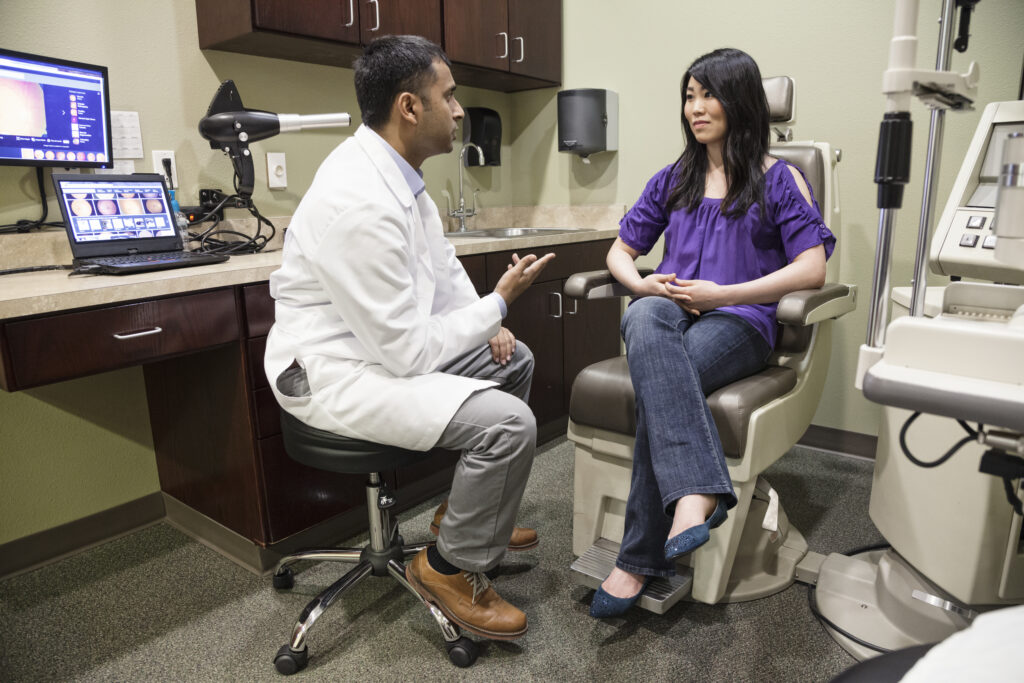
Vision therapy is a highly specialized, non-surgical treatment program designed to improve how the eyes and brain work together. While many people think of vision in terms of 20/20 eyesight, clear vision is only one part of a complex visual system. Conditions such as binocular vision problems, strabismus, lazy eye, and other issues with visual processing can significantly affect reading, learning, depth perception, and overall quality of life. Our services at Victoria Village Optometry are tailored to address a wide range of visual challenges in both children and adults. This article explains what Vision therapy treatments involve, who may benefit, and how therapy supports visual rehabilitation.
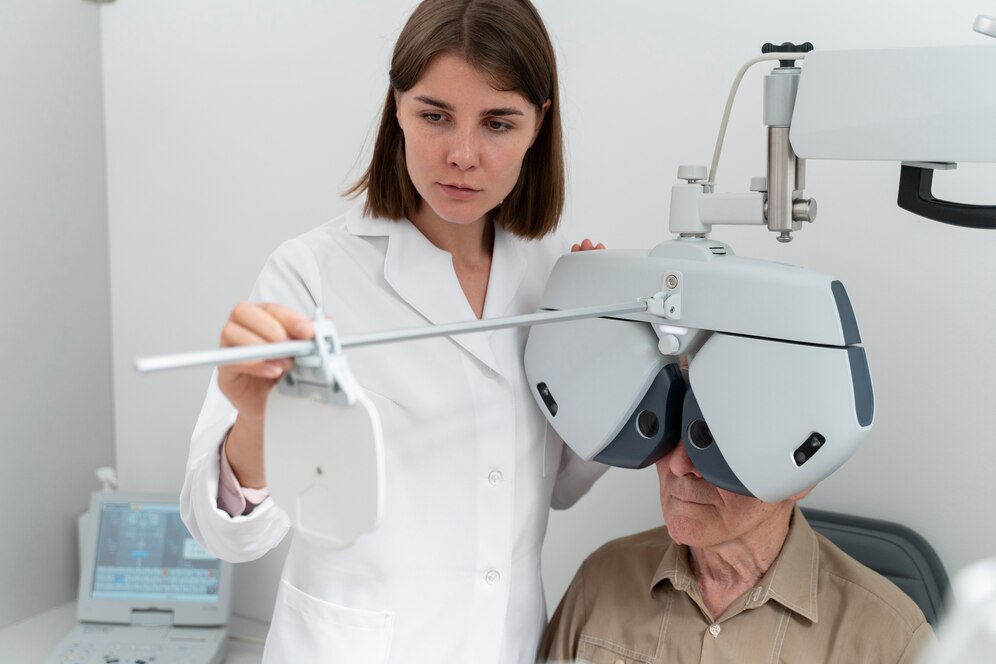
Our Vision therapy service can be an effective treatment option for a range of visual issues, including:
Binocular vision refers to the ability of both eyes to work together to create a single, three-dimensional image. When this coordination is impaired, it can result in eye strain, double vision, or poor depth perception. Vision therapy uses targeted exercises to restore proper alignment and synchronization between the eyes.
Strabismus, or misalignment of the eyes, is often noticeable when one eye turns in, out, up, or down while the other remains focused. Traditional treatments may include surgery or patching, but vision therapy offers a non-invasive alternative. By training the brain and eye muscles to work together, therapy can help achieve better alignment and control.
Amblyopia, commonly known as lazy eye, occurs when one eye has reduced vision because it and the brain are not working together properly. Vision therapy can help strengthen the connection between the weaker eye and the brain, often using eye coordination exercises and activities that demand visual attention from both eyes.
This is a common condition where the eyes have difficulty working together when focusing on nearby objects. Symptoms include eye strain, headaches, blurred vision, and difficulty reading. Vision therapy provides structured, progressive exercises to improve the eyes’ ability to converge effectively.
Following a concussion, stroke, or traumatic brain injury (TBI), many individuals experience visual disturbances. These may include light sensitivity, blurred vision, difficulty focusing, or trouble tracking moving objects. Vision therapy plays an essential role in visual rehabilitation, helping to restore visual comfort and coordination as the brain heals.
Children who struggle with reading or maintaining attention in school may have underlying visual processing issues. These problems are often misdiagnosed as behavioral or learning disorders. Vision therapy can support improved reading fluency, comprehension, and visual-motor integration.
At Victoria Village Optometry, vision therapy begins with a comprehensive visual evaluation. This includes not only checking eyesight but also assessing eye teaming, tracking, focusing, depth perception, and other visual functions.
If therapy is recommended, a personalized program is developed based on the patient’s specific needs. Most programs involve weekly in-office sessions paired with home-based activities to reinforce progress. Therapy typically lasts several months, depending on the complexity of the condition and the patient’s consistency.
Vision therapy is rooted in neuroplasticity—the brain’s ability to reorganize and form new neural connections. By training the brain to use visual information more effectively, the goal is not only to reduce symptoms but to build long-term visual skills. Optometric vision therapy enhances communication between the eyes and brain to improve everyday tasks such as reading, learning, and hand-eye coordination.
Vision therapy is not a one-size-fits-all solution. However, it may be beneficial for individuals who experience:
If any of these issues sound familiar, a functional vision assessment can help determine whether vision therapy is appropriate.
A functional vision assessment can help determine whether Vision therapy is the right solution for improving your visual performance and comfort.
For many individuals, visual challenges can go unnoticed for years because standard eyesight tests do not evaluate how well the eyes function together. Difficulties may show up in subtle ways, such as losing place while reading, avoiding near work, or experiencing fatigue after short periods of concentration. These struggles can affect academic performance in children and productivity at work for adults.
The goal of therapy is to help individuals develop stronger and more reliable visual skills that support their everyday lives. Progress is measured throughout the program so improvements can be seen not only in testing but also in practical, real-world activities. Parents often report increases in reading confidence, improved attention during homework, and a noticeable reduction in frustration related to school tasks. Adults frequently experience greater comfort during computer use, improved accuracy when performing detailed tasks, and fewer headaches linked to near vision demands.
If visual difficulties are limiting daily comfort or performance, exploring a functional evaluation can be a constructive step toward better clarity, coordination, and confidence in how vision is used every day.
Vision therapy is effective for patients of all ages, from children to older adults. While early intervention can be especially beneficial, the brain’s adaptability allows many adults to see improvements as well.
While some eye coordination exercises can be done at home, professional vision therapy is guided by an optometrist and involves specialized tools and personalized strategies that are not available through generic programs.
The length of a therapy program depends on the condition being treated and the individual’s response to therapy. On average, programs last between 12 and 32 weeks, with weekly sessions and supplemental home exercises.
Glasses or contacts can correct refractive errors (like nearsightedness), but they don’t address the functional or neurological aspects of vision. For issues like lazy eye, strabismus, or binocular vision problems, vision therapy addresses the underlying causes, not just the symptoms.
Maintaining eye health is an investment in your well-being. With Victoria Village Optometry, you gain access to experienced professionals, advanced technology, and a patient-first approach.
Explore our range of Optometry Services Toronto and discover why we are the trusted choice for families and individuals seeking reliable eye care. Book your visit today and experience comprehensive, compassionate care from a dedicated Eye Specialist in Toronto.

Our highly trained, compassionate team makes the difference between a good and great visit. Located conveniently to serve Toronto residents, we offer hours to suit every family’s schedule.
1315 Lawrence Avenue East, Unit 513, Toronto, ON, M3A 3R3, Canada
Phone: 416-759-6060
Email: info@myvvo.ca


