VFT vs VDT Eye Tests: How Both Differ and Who Needs Them?
Posted on 29 December 2025 by Mani

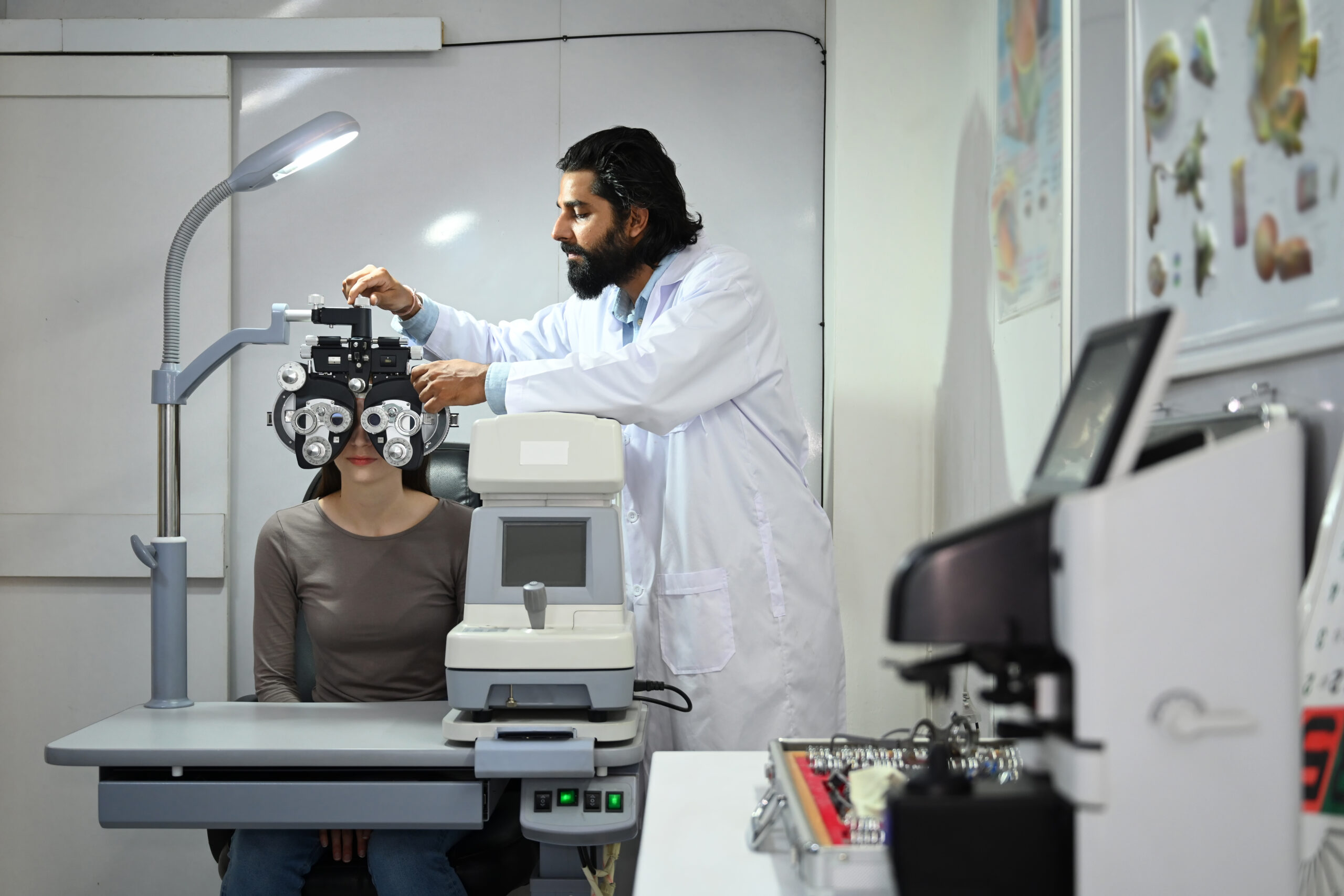
Male ophthalmologist with beard in white coat checking eye vision of patient with phoropter eyesight measurement testing machine.
Maintaining optimal eye health is more important than ever, especially in a world dominated by screens and prolonged near work. Eye examinations are not one-size-fits-all, and different tests serve different purposes. Two tests commonly discussed in optometry are the
Visual Field Test (VFT) and the
Visual Display Terminal (VDT) eye test.
Understanding the differences between these tests, their objectives, and who may need them can help you take proactive steps to protect your vision. Victoria Village Optometry provides comprehensive optometry services in Toronto, ensuring patients receive the right evaluation tailored to their unique needs.
Understanding Visual Field Tests (VFT)
A visual field test measures your peripheral vision, which is the area of vision outside the direct line of sight. Peripheral vision plays a critical role in detecting movement, navigating environments, and maintaining overall spatial awareness.
Why VFT Matters
Visual field tests and eye assessments are vital for detecting early changes in eye health that might not be noticeable during routine eye exams. Conditions such as
glaucoma,
retinal diseases, optic nerve disorders, and certain neurological conditions can impact peripheral vision.
Early detection through a visual field test in Toronto allows for timely intervention and can prevent irreversible vision loss.
What Happens During a VFT Eye Test?
During a visual field test, you will look straight ahead while lights or patterns are presented in different areas of your peripheral vision. The examiner records your responses to determine any gaps or abnormalities.
Modern automated perimetry machines provide precise mapping of the visual field, allowing clinicians to monitor subtle changes over time.
Who Should Consider a VFT Eye Test?
- Individuals at risk for glaucoma, including those with a family history
- Patients experiencing unexplained vision loss or peripheral vision changes
- People diagnosed with neurological conditions affecting vision
- Older adults, as peripheral vision can naturally decline with age
Regular visual field assessments can offer reassurance and early detection, supporting long-term eye health.
Understanding VDT (Visual Display Terminal) Eye Examination
The Visual Display Terminal (VDT) eye test, also known as computer vision testing, is designed specifically for individuals who spend extended periods using digital devices, including computers, tablets, and smartphones.
Prolonged screen exposure can contribute to computer vision syndrome, fatigue, and discomfort, making VDT assessments increasingly relevant in today’s workplace and home environments.
Why VDT Eye Tests Are Important
VDT eye testing evaluates how well your eyes function during prolonged digital device use. Symptoms such as headaches, blurred vision, dry eyes, and difficulty focusing are common among screen users.
By identifying these issues early, a VDT eye test helps to implement preventive strategies and ergonomic recommendations that reduce eye strain and maintain productivity.
What Happens During a VDT Test
VDT assessments typically examine factors such as:
- Near vision clarity and focusing ability
- Eye teaming and coordination
- Blink rate and tear film stability
- Accommodation (how the eyes adjust focus from near to far)
These tests allow the optometrist to recommend corrective lenses, screen breaks, or specialized lens options such as anti-reflective coatings and blue-light filtering lenses.
Who Should Consider a VDT Eye Test?
- Office workers, designers, programmers, or anyone with computer-intensive work
- Students spending long hours on laptops or tablets
- Individuals experiencing symptoms of digital eye strain
- Anyone looking to optimize comfort and productivity while using digital devices
VDT eye assessments are proactive measures that support visual performance and reduce discomfort associated with extended screen time.
Key Differences Between VFT and VDT Eye Tests
While both VFT and VDT tests are eye assessments, their objectives, methods, and target populations differ:
| Feature |
VFT (Visual Field Test) |
VDT (Visual Display Terminal) Eye Test |
| Purpose |
Detect peripheral vision loss and monitor eye/neurological conditions |
Evaluate eye function and comfort during prolonged screen use |
| Focus Area |
Peripheral vision |
Near vision, eye coordination, and focusing during screen tasks |
| Common Symptoms Detected |
Blind spots, reduced peripheral awareness |
Eye strain, headaches, blurred vision, dry eyes |
| Target Audience |
Patients at risk for glaucoma, retinal disease, or neurological conditions |
Screen users, students, office workers |
| Test Method |
Lights or patterns in peripheral vision while looking straight ahead |
Near vision tests, eye teaming, blink and accommodation assessment |
How Both Tests Complement Overall Eye Health
Although the VFT and VDT tests focus on different aspects of vision, both are important in a comprehensive eye care plan.
- A child with prolonged screen use may benefit from VDT testing while also undergoing routine peripheral vision assessments.
- Adults at risk of glaucoma may require regular VFTs alongside VDT assessments if their work involves extensive computer usage.
By combining targeted evaluations,
optometrists can provide holistic care that addresses both structural and functional aspects of vision.
Early Intervention and Preventive Care
Early detection is a cornerstone of preserving long-term vision. Regular eye exams that include VFT or VDT assessments can help identify issues before they progress.
- Corrective lenses or screen-specific glasses
- Proper lighting and workstation ergonomics
- Scheduled breaks from near work
- Regular monitoring of peripheral vision and ocular health
The Victoria Village Optometry Approach
Finding the
best eye exam in Toronto can make all the difference in protecting long-term vision. At Victoria Village Optometry, the goal is to deliver personalized, evidence-based eye care.
- Comprehensive Eye Exam: Assess overall eye health and identify risk factors
- Targeted Testing: Determine whether VFT, VDT, or both are appropriate
- Customized Recommendations: Corrective lenses, vision therapy, or ergonomic strategies
- Follow-Up and Monitoring: Regular exams to track changes
Signs You Might Need VFT or VDT Eye Testing
- Frequent headaches or eye discomfort after screen use
- Difficulty tracking objects in peripheral vision
- Blurred or fluctuating vision
- Rapid changes in prescription
- Family history of glaucoma or retinal disease
Final Words
Understanding the differences between visual field tests and VDT eye tests is essential for making informed decisions about eye care. While VFT focuses on peripheral vision and early detection of eye and neurological conditions, VDT tests evaluate near vision, focusing ability, and comfort during extended screen use.
Victoria Village Optometry is committed to providing comprehensive optometry services in Toronto tailored to your individual needs. Whether it’s safeguarding your child’s vision, optimizing workplace comfort, or monitoring eye conditions, our team can guide you in choosing the right tests for clearer, healthier vision.