Routine Eye Exam vs Comprehensive Eye Exam: The Difference and Why It Matters
Posted on 01 January 2026 by Mani

Regular eye examinations play a vital role in maintaining long-term vision and overall eye health. Yet many patients are unsure about the difference between a
routine eye exam vs comprehensive eye exam, often assuming the terms are interchangeable. While both types of exams are important, they serve different purposes and are designed to meet different needs.
Understanding how these exams differ can help individuals and families make informed decisions about their eye care, ensure early detection of potential problems, and receive appropriate treatment at the right time.
What Is a Routine Eye Exam?
A routine eye exam is typically focused on assessing basic vision and determining whether corrective lenses are needed or require updating. These exams are often scheduled at regular intervals, especially for individuals who already wear glasses or contact lenses and have no known eye conditions.
Routine eye exams generally emphasize visual clarity and comfort in everyday tasks such as reading, driving, or screen use. They are efficient, targeted, and suitable for patients with stable eye health and no concerning symptoms.
What a Routine Eye Exam Usually Includes
A routine eye exam may involve:
- Measurement of visual acuity (how clearly you see at various distances)
- Refraction testing to determine an accurate glasses or contact lens prescription
- Basic eye alignment and focusing assessments
- A brief review of vision-related symptoms or changes
For patients with no history of eye disease and no new symptoms, a routine exam helps maintain visual performance and ensures prescriptions remain accurate.
Who Typically Benefits from Routine Eye Exams
Routine eye exams are often appropriate for:
- Adults with stable prescriptions and no eye health concerns
- Individuals seeking prescription updates
- Patients without a family history of eye disease
- Those not experiencing changes in eye comfort or clarity
While these exams are useful for maintaining clear vision, they do not replace more in-depth evaluations when health risks are present.
What Is a Comprehensive Eye Exam?
A comprehensive eye examination goes beyond basic vision testing and provides a detailed evaluation of overall eye health. It is designed to assess both how well you see and how healthy your eyes are internally and externally.
Comprehensive exams are especially important because many eye diseases develop gradually and without noticeable symptoms in their early stages. Detecting these conditions early allows for timely management and better long-term outcomes.
What a Comprehensive Eye Exam Includes
A comprehensive eye exam typically covers:
- Detailed medical and ocular history review
- Visual acuity and refraction testing
- Assessment of eye muscle function and coordination
- Evaluation of pupil responses and peripheral vision
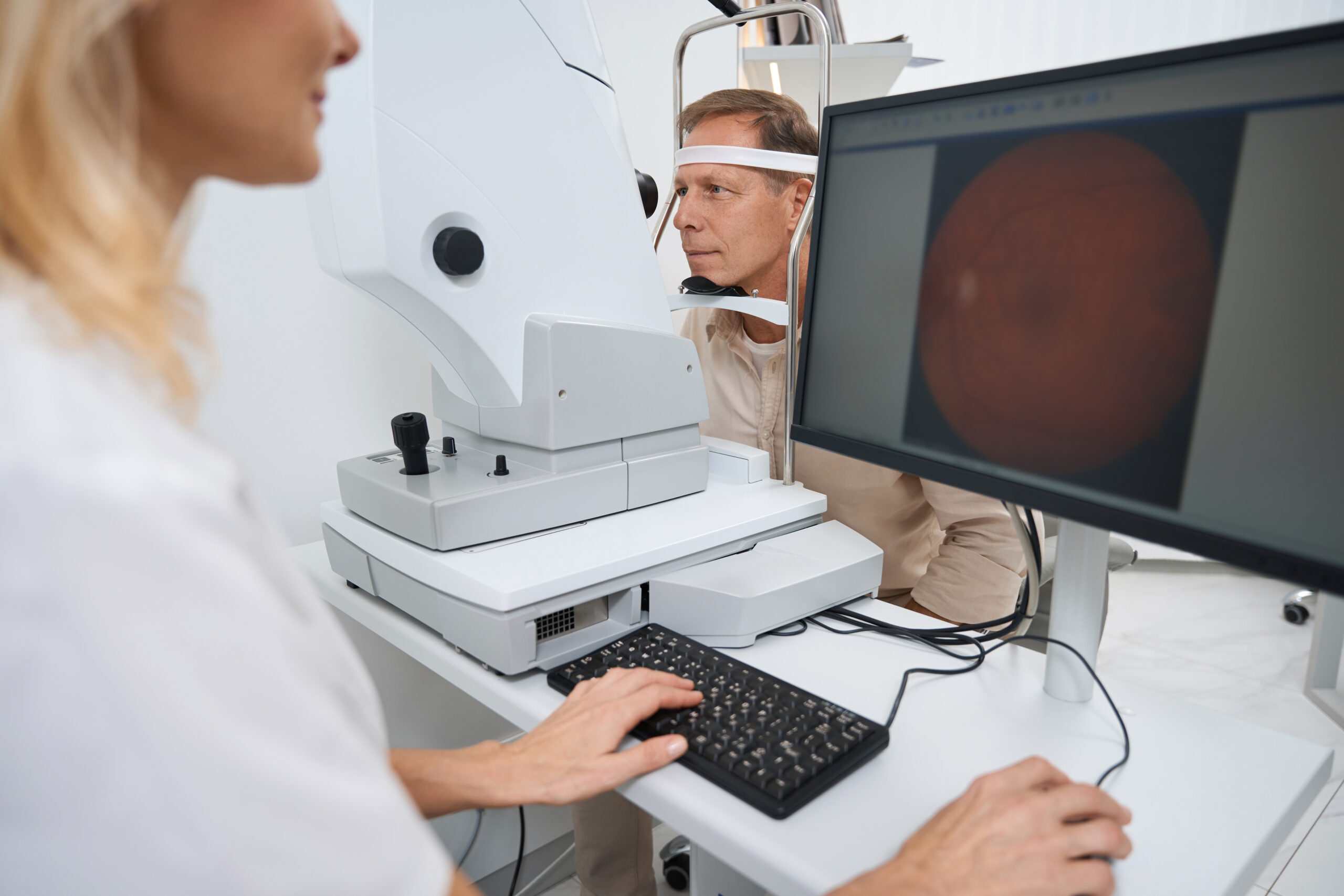
- Examination of the retina, optic nerve, and blood vessels
- Screening for conditions such as glaucoma, cataracts, macular degeneration, and diabetic eye disease
- Measurement of eye pressure when appropriate
Advanced diagnostic tools may be used based on age, symptoms, and risk factors, ensuring a thorough understanding of eye health.
Who Should Consider a Comprehensive Eye Exam
Comprehensive eye exams are recommended for:
- Children and adolescents during key developmental stages
- Adults over 40, as age-related eye conditions become more common
- Individuals with diabetes, high blood pressure, or autoimmune conditions
- Patients with a family history of eye disease
- Anyone experiencing headaches, vision changes, eye discomfort, or visual disturbances
These exams are also important before certain lifestyle changes, such as increased screen use, new occupational demands, or starting contact lenses.
Key Differences Between Routine and Comprehensive Eye Exams
While both exams involve vision testing, the scope and depth differ significantly.
| Aspect |
Routine Eye Exam |
Comprehensive Eye Exam |
| Primary Focus |
Vision clarity and prescription accuracy |
Overall eye health and disease detection |
| Exam Depth |
Limited |
In-depth and diagnostic |
| Disease Screening |
Minimal or none |
Extensive screening for eye conditions |
| Diagnostic Tools |
Basic |
Advanced, based on need |
| Recommended Frequency |
As needed for prescription updates |
Based on age, health, and risk factors |
Understanding these differences helps patients choose the right exam based on individual needs rather than assumptions.
Why Comprehensive Eye Exams Are Important Even Without Symptoms
One of the most common misconceptions is that good vision automatically means healthy eyes. Many eye conditions can progress quietly without noticeable symptoms. Regular eye and vision exams allow optometrists to detect early changes before permanent damage occurs.
This proactive approach supports early intervention, long-term monitoring, and better outcomes across all age groups.
Children and Eye Exams: Routine vs Comprehensive
Children’s visual systems are still developing, making comprehensive eye exams especially valuable. While school screenings may detect obvious vision issues, they do not evaluate eye health or visual coordination in detail.
Comprehensive exams can help identify learning-related vision issues, focusing difficulties, and early signs of inherited eye conditions, supporting both academic performance and visual development.
Eye Exams for Adults and Seniors
As adults age, the likelihood of eye disease increases. For older adults, regular monitoring becomes essential, and a
Senior eye exam plays an important role in maintaining independence and quality of life.
These exams help detect age-related changes early, monitor systemic health impacts on vision, and address comfort issues such as dryness or fluctuating clarity.
Choosing the Right Exam for Your Needs
The choice between a routine and comprehensive eye exam depends on factors such as age, medical history, family history of eye disease, visual symptoms, and lifestyle demands. An optometrist can guide patients toward the most appropriate evaluation to ensure neither under-testing nor unnecessary testing occurs.
The Role of Preventive Eye Care
Preventive eye care extends beyond correcting vision. Appropriate exams support early detection, lifestyle guidance, and ongoing monitoring that adapts as visual needs change over time.
This approach emphasizes long-term eye health rather than short-term fixes.
A Patient-Centered Approach to Eye Care
Finding care from the
Top optometrists in Toronto means receiving evaluations that are tailored, transparent, and evidence-based. Exams at
Victoria Village Optometry are tailored to each patient’s history, lifestyle, and risk factors, ensuring the right level of care at the right time.
Patients benefit from clear explanations, thoughtful recommendations, and education that supports informed decision-making.
Final Thoughts
Understanding the difference between routine and comprehensive eye exams empowers patients to take an active role in protecting their vision. While routine exams help maintain visual clarity, comprehensive exams are essential for detecting eye disease, monitoring changes, and preventing long-term complications.
For families and individuals seeking thorough, personalized eye care,
Victoria Village Optometry provides optometry services designed to support healthy vision at every stage of life. Choosing the right type of eye exam at the right time can make a meaningful difference in preserving clear, comfortable vision for years to come.