
As we age, our eyes naturally undergo changes that can affect both vision and overall eye health. A Senior Eye Exam provides a thorough evaluation to detect and manage age-related conditions such as cataracts, glaucoma, macular degeneration, and diabetic retinopathy. Early detection of these conditions is essential to preserving clear vision and maintaining independence.
Our experienced team combines advanced diagnostic technology with compassionate care to ensure seniors receive the attention and guidance they need. Book your senior eye exam today to protect your vision and preserve your quality of life.
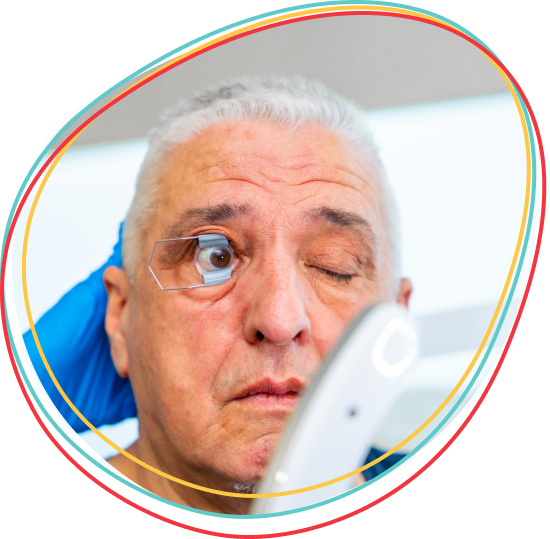
Vision changes are a normal part of aging, but many age-related eye diseases progress silently, with few or no early symptoms. Left undetected, these conditions can result in irreversible vision loss. A Senior Eye Exam allows for timely diagnosis and treatment, helping seniors maintain healthy vision for reading, driving, and enjoying everyday activities.
Regular eye exams also provide valuable insights into overall health, as the eyes can reveal early signs of systemic conditions such as diabetes, hypertension, or stroke. Learn more about our Best Eye Exam services to see how we care for patients at every stage of life.
It is recommended that adults over the age of 60 schedule a comprehensive eye exam every year. For individuals with diabetes, hypertension, or a family history of eye disease, more frequent monitoring may be necessary. These regular checkups allow our optometrists to track changes in vision and provide proactive care.
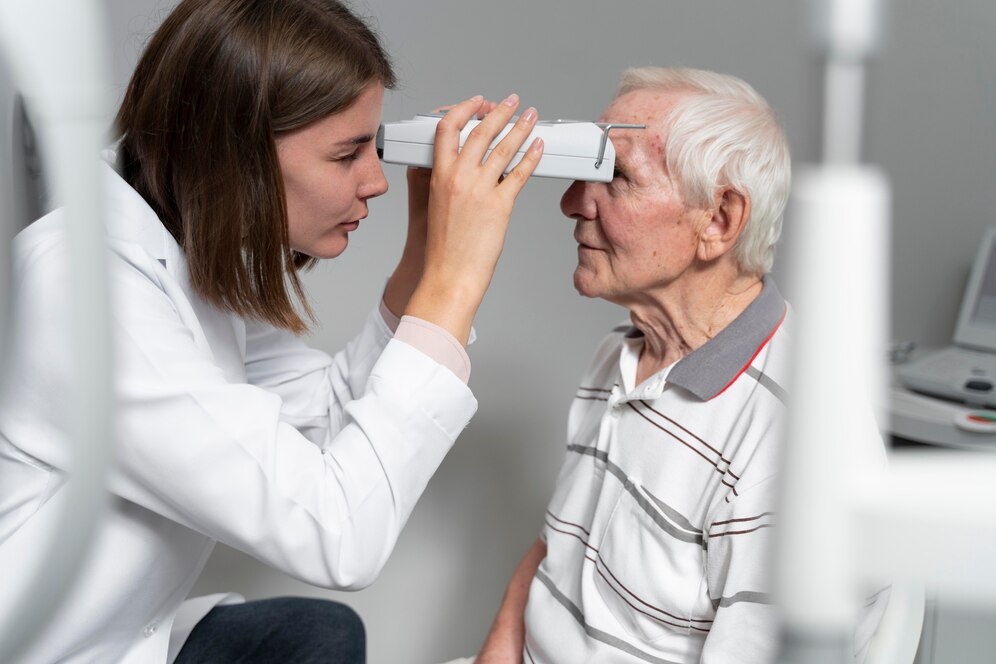
A senior eye exam includes a series of non-invasive tests to assess both vision and eye health. During the visit, you can expect:
These comprehensive assessments allow us to identify subtle changes early, providing peace of mind and a clear plan for treatment if needed. For patients managing diabetes, we may also recommend a Diabetic Eye Exam for targeted evaluation.
During a senior eye exam, our team carefully evaluates for conditions that commonly affect aging eyes:

Thorough monitoring of these conditions ensure that seniors receive the care needed to protect their vision and maintain an active lifestyle.
Our team at Victoria Village Optometry, goes beyond regular eye tests to provide seniors with the tools and guidance they need to maintain optimal eye health. From updating prescriptions and managing eye diseases to offering advice on nutrition and lifestyle habits, our care plans are tailored to each patient.
We also work with families and caregivers, ensuring loved ones understand how to support seniors in managing vision changes effectively. Explore our full range of Optometry Services for complete vision care.
Senior eye exams are crucial because many age-related eye diseases, such as cataracts, glaucoma, and macular degeneration, develop gradually and may not show early symptoms. Regular exams allow for early detection and treatment, helping prevent permanent vision loss and maintaining quality of life.
Adults over the age of 60 should schedule a comprehensive eye exam every year. Seniors with diabetes, hypertension, or a family history of eye disease may need more frequent checkups. Your optometrist will recommend the best schedule based on your health needs
A senior eye exam includes several tests such as visual acuity, tonometry (eye pressure test), retinal imaging, cataract evaluation, and visual field testing. These tests check both your vision clarity and the overall health of your eyes, allowing your optometrist to detect early signs of age-related conditions.
Yes. An eye exam can reveal early signs of systemic conditions like diabetes, high blood pressure, and even stroke. Your eyes provide valuable insights into your overall health, making regular exams even more important as you age.
The most common age-related eye conditions include cataracts, glaucoma, macular degeneration, diabetic retinopathy, and presbyopia. Early diagnosis and proper treatment can slow progression and preserve vision.
No referral is needed to book a Senior Eye Exam in Toronto. You can schedule an appointment directly with our optometry clinic for a comprehensive evaluation.

Our highly trained, compassionate team makes the difference between a good and great visit. Located conveniently to serve Toronto residents, we offer hours to suit every family’s schedule.
1315 Lawrence Avenue East, Unit 513, Toronto, ON, M3A 3R3, Canada
Phone: 416-759-6060
Email: info@myvvo.ca


